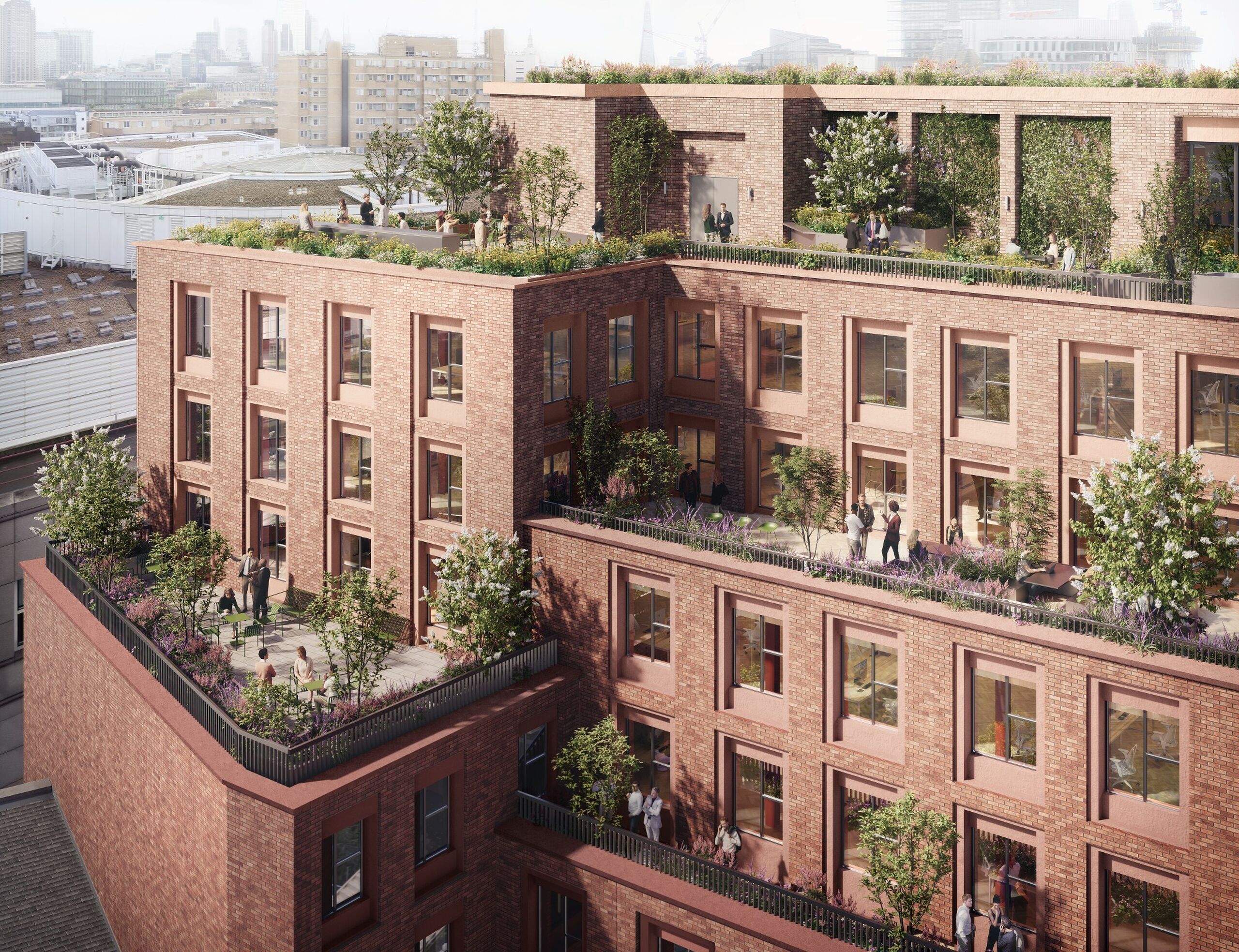

Landscape-led retrofit delivers biodiversity and wellbeing in constrained Camden site
Grant Associates has revealed the landscape strategy behind the recently approved redevelopment of Fox Court in Camden – a scheme that demonstrates how biodiversity, wellbeing and ecological value can be embedded into a highly constrained urban office retrofit, whilst meeting mandatory requirements.
Working collaboratively with architects Buckley Gray Yeoman and developer General Projects, Grant Associates has designed a layered series of green terraces and roof-level ecologies that reimagine a hard-edged 1970s office building as a future-focused, biophilic workplace rooted in sustainability and wellbeing.
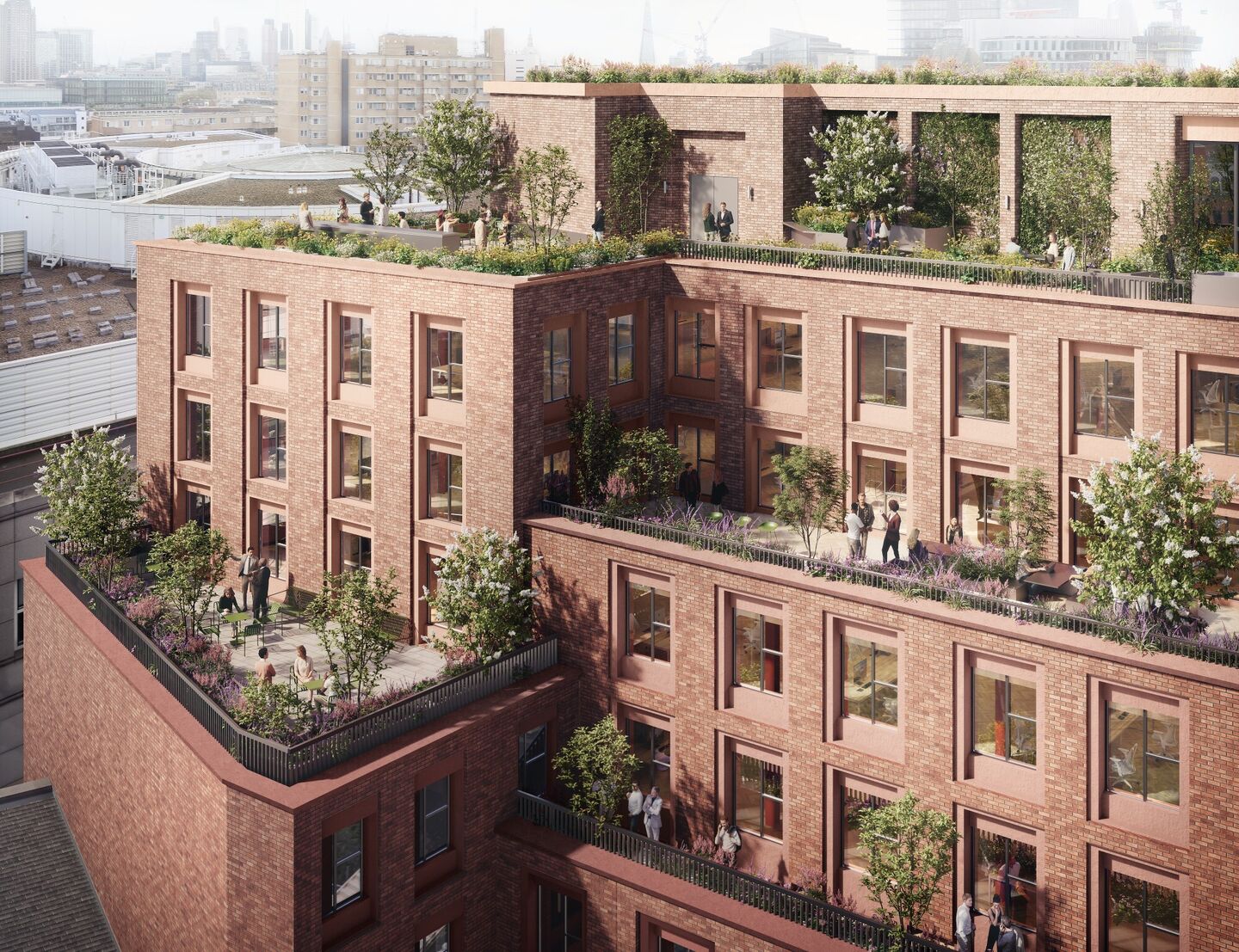
Rather than treating landscape as a decorative afterthought, the approved scheme places it at the heart of the building’s transformation. With limited ground-level space and a sensitive historic context between Bloomsbury and Hatton Garden, the project required a vertical landscape strategy capable of delivering meaningful environmental and social benefits within a tight urban footprint.
“Fox Court reimagines the role of landscape within retrofit development. By weaving greenery deep into the architectural form and expressing it through a carefully curated planting palette, the landscape becomes a living layer of the building — enhancing visual character, supporting biodiversity, enriching everyday wellbeing, and future-proofing the scheme for a more sustainable urban future.
Vertical landscapes in a sensitive urban context
The Fox Court site sits within a historically rich part of central London, where new interventions must carefully respect neighbouring sightlines, heritage assets and the existing urban environment. Grant Associates’ landscape designs respond to these constraints while maximising ecological value.
A sequence of stepped terraces wraps the building, each with a distinctive planting palette designed to deliver seasonal interest, texture and colour while supporting pollinators and urban wildlife. This vertical layering creates opportunities for habitat connectivity and movement through the site, helping the scheme meet Urban Green Factor and Biodiversity Net Gain requirements despite minimal ground level green space.
At roof and terrace level, the landscape incorporates green roofs, habitat panels and wildlife boxes, alongside durable, recyclable materials selected for longevity and low environmental impact. Together, these elements form a robust ecological framework that complements the building’s retained structure and low-carbon retrofit approach.
Landscape as social and environmental infrastructure
In addition to ecological performance, the landscape strategy plays a key role in shaping the building’s social life. The terraces provide a variety of outdoor environments, from quiet seating and contemplative spaces to areas designed for informal meetings, exercise and social interaction.
By offering access to nature throughout the building, the scheme supports occupant wellbeing and encourages more flexible, healthier patterns of work – an increasingly important consideration for post-pandemic office environments.
“The project highlights the expanding role of landscape architecture in urban redevelopment. From ecological design and placemaking to regulatory compliance and long-term resilience, landscape is fundamental to delivering truly sustainable retrofit projects that establish a renewed and distinctive identity.”
Combining retained structure, hybrid construction methods, energy-efficient systems and a landscape-led design approach, Fox Court offers a model for how existing office buildings can be transformed to meet contemporary environmental, social and regulatory expectations in dense city centres.
Credits:
Client General Projects
Architect Buckley Gray Yeoman
Landscape architect Grant Associates
Planning consultant DP9
Structural engineer Elliott Wood